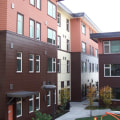
Essential Public Services That Shape Daily Life
Public services across King County operate with a clear goal: meeting the diverse needs of a growing and evolving population. Local libraries serve as more than book lenders—they function as community hubs offering digital access, tutoring programs, job-search assistance, and cultural events. Parks and recreation departments provide safe spaces for exercise, play, and socialization, improving both mental and physical health. Transportation services, including accessible bus routes and community shuttles, help residents reach work, school, and appointments reliably. Health programs offer vaccinations, mental-health support, family planning resources, and education designed to promote long-term wellness. These services play a vital role in shaping residents’ quality of life, ensuring that everyone—from children to seniors—can benefit from stable, accessible community infrastructure grounded in equity and inclusion.
Local Organizations That Strengthen Connection
Alongside public programs, nonprofit organizations and small businesses form an essential support structure throughout King County. Food banks, youth mentorship groups, immigrant support organizations, and shelters provide services tailored to the county’s diverse population. Many nonprofit initiatives rely on volunteers, whose efforts help bridge gaps in resources and expand outreach. Small businesses contribute as well, not only by providing services but by participating in community improvement efforts, sponsoring events, and supporting local families. Some, such as Nortech Heating, Cooling & Refrigeration, help maintain safe and comfortable environments for community centers, shelters, and gathering spaces, illustrating how practical services play a behind-the-scenes role in supporting the daily operations of essential programs. In this way, King County’s community services extend beyond traditional definitions, encompassing a wide network of local contributors who share a commitment to keeping neighborhoods strong and resilient.
A Community Built on Cooperation and Care
What makes community services in King County truly remarkable is the collaborative spirit that binds them together. Residents are encouraged to participate in town halls, join advisory groups, and contribute to volunteer initiatives that shape local decision-making. Seasonal events, community fairs, resource drives, and educational workshops further strengthen public engagement, helping individuals stay informed and connected. This synergy between public programs, nonprofits, local businesses, and engaged citizens creates an environment where challenges are met with collective solutions. As the region continues to grow, King County’s commitment to accessible, inclusive, and responsive community services will remain a defining feature of its identity. The work of these interconnected systems ensures that every resident—regardless of background, income, or neighborhood—has pathways to support, enrichment, and a meaningful sense of belonging.